
Daily News
Lebanon Says Israeli Strike Near Palestinian Refugee Camp Kills 13

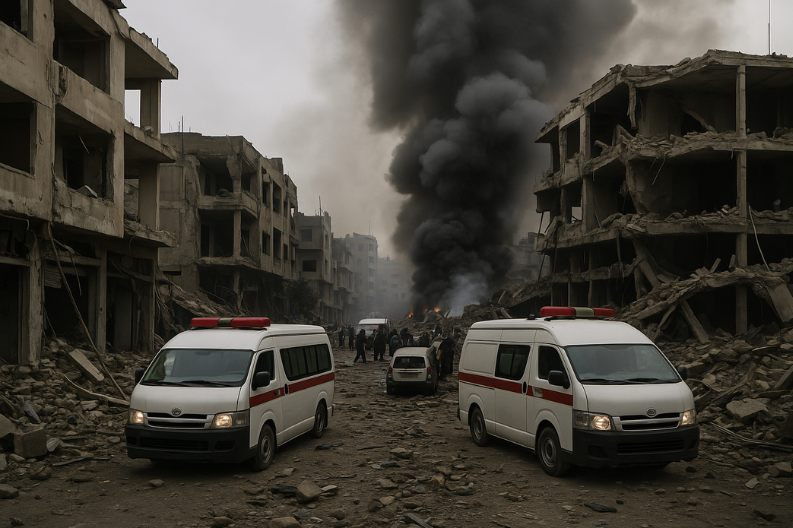
An Israeli Strike Near Palestinian Refugee Camp Kills 13 people in southern Lebanon, marking the deadliest attack since the ceasefire between Israel and Hezbollah began one year ago. The strike hit the Ein el-Hilweh camp near the coastal city of Sidon on Tuesday evening, sparking international concern about the fragile peace in the region.
Lebanon’s health ministry confirmed that at least 13 people died in the attack. Additionally, several others suffered injuries, and ambulances rushed them to nearby hospitals for treatment. The ministry urged local residents to donate blood to help the wounded survivors.
According to Lebanon’s state news agency, a drone initially targeted a car in the parking lot near the Khalid bin Al-Walid Mosque. Subsequently, three missiles struck both the mosque and the nearby Khalid bin Al-Walid Center. Videos from the scene showed emergency workers loading badly mangled bodies onto trucks while smoke billowed from the targeted area.
The Israeli Defense Forces stated they targeted a Hamas training compound in the Ein el-Hilweh area. Furthermore, military spokesperson Lt Col Avichay Adraee said the army would “continue to act forcefully against Hamas’s attempts to establish a foothold in Lebanon.” The IDF claimed the location served as a base for planning and carrying out attacks against Israel.
Moreover, Israel said it took measures to reduce civilian harm before the strike. These measures included using precision munitions, conducting aerial observations, and gathering intelligence information. However, the high death toll raised questions about the effectiveness of these precautions.
Hamas strongly rejected Israel’s claims about a training compound. The Palestinian group called the accusations “pure fabrication and lies” designed to justify the attack. Instead, Hamas stated the strike hit an “open sports field frequented by young men from the camp.”
The group emphasized that it maintains no military installations in Palestinian refugee camps throughout Lebanon. Therefore, Hamas condemned the strike as an unprovoked attack on civilians. Several witnesses from the camp supported Hamas’s version of events, describing the victims as young men who had gathered at a recreational area.
Ein el-Hilweh represents the largest Palestinian refugee camp in Lebanon. The overcrowded and densely packed camp houses an estimated population of more than 60,000 Palestinian refugees, although the actual number may be higher. Many families have lived there for generations since fleeing or being expelled from their homes during the creation of Israel in 1948.
The camp sits on the outskirts of Sidon, a historic coastal city approximately 40 kilometers south of Beirut. Its narrow streets and crowded conditions make it particularly vulnerable to air strikes. Consequently, any attack on the camp typically results in high casualties and widespread damage.
Hamas fighters in the area prevented journalists from reaching the scene immediately after the strike. Nevertheless, footage emerged showing ambulances rushing through the narrow streets as residents searched for survivors amid the destruction.
This attack marks the third Israeli strike on Lebanon on Tuesday alone. Earlier in the day, drone strikes targeted vehicles in Blida and Bint Jbeil, killing two additional civilians. Therefore, the total death toll for November 18, 2025, reached 15 people killed by Israeli forces.
Israel has regularly carried out air strikes on people and places in Lebanon since the ceasefire deal with Hezbollah. Most strikes have targeted Hezbollah positions, but Israel has also attacked Hamas members in the country. Several Hamas officials have died in Lebanese strikes since October 2023, including senior leaders.
The current tensions stem from the October 7, 2023, Hamas-led attack on southern Israel that killed approximately 1,200 people and resulted in 251 hostages being taken. Israel’s military response in Gaza has killed at least 69,483 Palestinians, according to the territory’s health ministry.
One day after the October 7 attack, Hezbollah began firing rockets at Israel in solidarity with Palestinians in Gaza. Israel responded with shelling and air strikes in Lebanon. The conflict escalated dramatically in late September 2024 when Israel launched an intense bombing campaign and ground incursion into southern Lebanon.
Lebanese authorities reported that Israel’s attacks killed about 4,000 people during the 13-month conflict, including many civilians. Furthermore, more than 1.2 million residents fled their homes. Israeli authorities said more than 80 soldiers and 47 civilians died in the hostilities.
Israel and Hezbollah agreed to a ceasefire in November 2024. However, violations have occurred regularly since then. The ceasefire deal did not address the situation with Hamas or other Palestinian groups operating in Lebanon.
The attack on Ein el-Hilweh has raised concerns about the stability of the ceasefire agreement. International observers worry that continued Israeli strikes could reignite the broader conflict. Meanwhile, Lebanese officials have protested what they describe as violations of Lebanese sovereignty.
The United Nations peacekeeping force in Lebanon (UNIFIL) continues monitoring the situation. However, the force has faced its own challenges, including an incident where Israeli forces reportedly fired on UNIFIL personnel near the border.
The Israeli strike near Palestinian refugee camp kills 13 incident highlights the ongoing tensions in the region despite the formal ceasefire. While Israel maintains it targets only militants, critics argue that strikes in densely populated civilian areas inevitably result in innocent casualties. The international community continues calling for restraint from all parties to prevent further escalation.
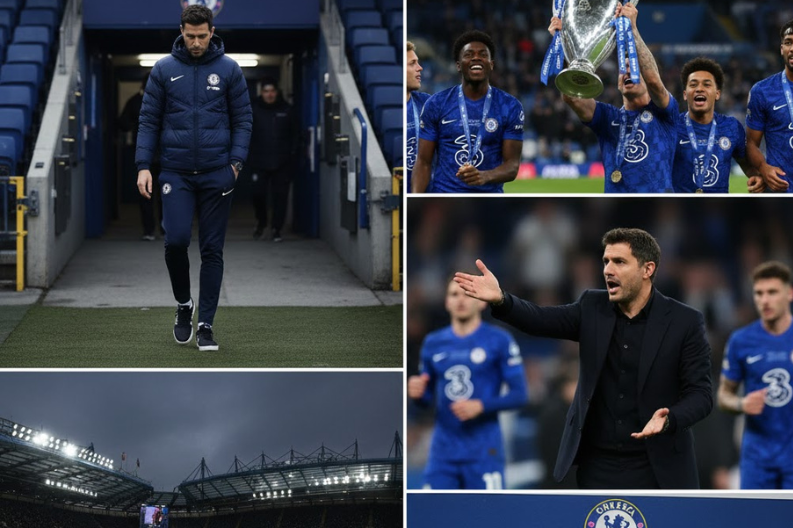
Chelsea Football Club parted ways with head coach Enzo Maresca on Thursday, bringing an end to his 18-month tenure at Stamford Bridge. The Italian manager’s departure comes after he informed club officials about holding talks regarding the Manchester City manager position. Moreover, his relationship with Chelsea’s leadership had deteriorated significantly in recent weeks.
Why Did Maresca Leave?
The primary reason for his exit involves a breakdown in relations with Chelsea’s hierarchy. Sources reveal that Maresca told club bosses twice in late October, and again in December, that he had discussed replacing Pep Guardiola at Manchester City. Furthermore, he attempted to use interest from Juventus and City as leverage for a new contract. However, Chelsea rejected this approach and refused to enter negotiations.
Recent Struggles and Tensions
Chelsea’s form had declined significantly before Maresca’s departure. The team won only one of their last seven Premier League games, dropping to fifth place. Additionally, they drew 2-2 with Bournemouth on Tuesday, which led to fans booing the team off the pitch.
| Maresca’s Chelsea Record | Details |
|---|---|
| Time at club | 18 months (July 2024 – January 2026) |
| Trophies won | UEFA Conference League, FIFA Club World Cup |
| Contract length | Until June 2029 |
| Final league position | Fifth place |
| Recent form | 1 win in last 7 games |
Key Issues Behind the Scenes
Several problems contributed to Maresca’s exit:
- Medical Department Clashes: Maresca wanted more freedom to ignore medical advice on player workloads. Chelsea, however, protects players through strict rotation policies to prevent injuries.
- Public Criticism: He made cryptic comments about experiencing his “worst 48 hours” at the club after beating Everton in December. These remarks surprised his own staff members.
- Player Management: The club became concerned when captain Reece James played three full games in one week despite his injury history.
- Fan Reaction: Supporters chanted “You don’t know what you’re doing” when he substituted Cole Palmer against Bournemouth.
Maresca’s Achievements
Despite the turbulent ending, Maresca achieved notable success at Chelsea. He guided the club back to Champions League football by finishing fourth in his debut season. In addition, he won both the Conference League and the inaugural Club World Cup.
What Happens Next?
Chelsea face Manchester City on Sunday without a confirmed manager. Under-21s head coach Calum McFarlane will handle media duties on Friday. Meanwhile, Liam Rosenior, who currently manages Strasbourg (Chelsea’s partner club), emerges as a leading candidate for the permanent position.
The club needs to act quickly as they still compete in four competitions. Consequently, they may appoint an interim manager while searching for a long-term solution.
Enzo Maresca becomes Chelsea’s fifth permanent head coach to leave since Todd Boehly and Clearlake Capital bought the club in May 2022. His departure highlights ongoing instability at Stamford Bridge despite recent trophy success.
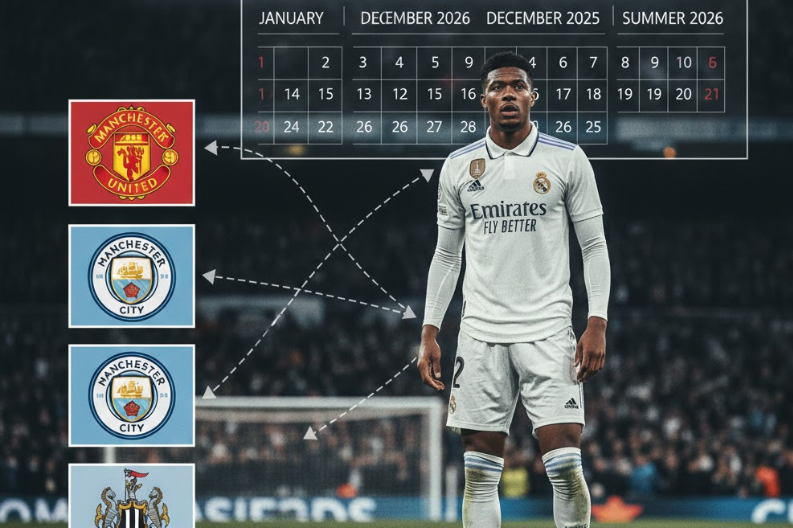
The football world is buzzing with speculation about Alexander Arnold and his challenging time at Real Madrid. The English defender made a controversial move from Liverpool to the Spanish giants last summer. However, things haven’t gone as planned for the 27-year-old.
Since joining Real Madrid, Alexander-Arnold has struggled to find his rhythm. He has made only 11 appearances across all competitions. Moreover, a quadriceps injury in December has sidelined him for several months. This lack of playing time has raised questions about his future at the Bernabéu.
Current Situation at Real Madrid
Several factors are contributing to the uncertainty:
- Limited game time with just 11 matches played
- Recent injury keeping him out for two months
- Difficulty adapting to Spanish football
- One assist recorded so far this season
Despite these challenges, both Alexander-Arnold and Real Madrid remain committed to each other. The player wants to stay and prove himself. Similarly, the club believes he needs more time to adapt.
Premier League Interest Growing
Nevertheless, three English clubs are monitoring the situation closely. Manchester United, Manchester City, and Newcastle United are all considering making offers. Reports suggest they might bid around €40 million for the defender.
For Manchester United, this move would be particularly controversial. Alexander-Arnold spent his entire career at Liverpool before joining Madrid. A transfer to United would cross one of football’s biggest rivalries.
Meanwhile, Newcastle United sees him as a valuable addition to their squad. They currently sit tenth in the Premier League and want to strengthen their defense.
Real Madrid’s Position
| Club Stance | Details |
|---|---|
| Current valuation | €40 million offers considered insufficient |
| Contract length | Runs until summer 2031 |
| Selling intention | No plans to let him leave |
| Club confidence | Believes in his potential |
Real Madrid paid a small transfer fee to Liverpool last summer. Any sale would generate significant profit for them. However, they have no intention of selling at this point.
What Happens Next?
The January transfer window has opened, but no immediate moves are expected. Instead, the summer of 2026 could be crucial. By then, Alexander Arnold will have had more time to prove himself in Spain. If things don’t improve, those Premier League clubs might return with stronger offers.
For now, everyone waits to see if the talented defender can overcome his struggles and establish himself at Real Madrid.
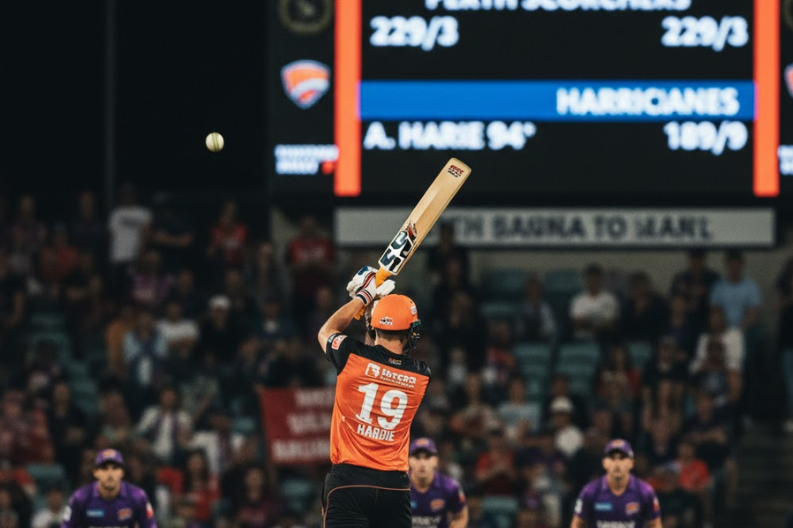
Perth Scorchers delivered a powerful performance at Bellerive Oval, with aaron hardie playing a starring role alongside captain Mitchell Marsh. The duo put on a record-breaking display that ended Hobart Hurricanes’ impressive nine-match winning streak at home. Consequently, the Scorchers moved up to third place on the BBL points table.
Record-Breaking Partnership
Mitchell Marsh scored 102 runs off 58 balls, while Aaron Hardie remained unbeaten on 94 from just 43 deliveries. Together, they created the highest third-wicket partnership in BBL history with 164 runs. Furthermore, their explosive batting powered Perth to a massive total of 229 for 3 wickets.
Match Highlights
| Team | Score | Result |
|---|---|---|
| Perth Scorchers | 3-229 | Won by 40 runs |
| Hobart Hurricanes | 9-189 | Lost |
The turning point came during the final 10 overs. Perth scored an incredible 149 runs in that period. Additionally, they added 38 runs during the Power Surge overs, which completely changed the game’s momentum.
Hardie’s Explosive Performance
Aaron Hardie particularly dominated Chris Jordan in the 12th over. He smashed four boundaries and one six, helping his team collect 26 runs from that over alone. His innings included five massive sixes and showcased his ability to accelerate when needed most.
Mitchell Marsh praised Hardie after the match, saying he deserved the player of the match award. However, Marsh himself received the honor for his century.
Hurricanes’ Chase Falls Short
Despite a strong effort, Hobart Hurricanes couldn’t keep up with the required run rate. They lost opener Mitchell Owen cheaply once again. Subsequently, they lost both openers during the powerplay, putting them under immediate pressure.
Nikhil Chaudhary scored 31 off 15 balls, while captain Matthew Wade added 29 from 14 deliveries. The pair put together a fighting 56-run partnership. Nevertheless, their dismissals in quick succession ended any hopes of a comeback.
Key Factors in Scorchers’ Victory
- Marsh’s second BBL century (102 off 58 balls)
- Hardie’s unbeaten 94 off 43 balls
- Record 164-run partnership for third wicket
- 149 runs scored in final 10 overs
- Disciplined bowling in crucial moments
Impact on Tournament Standings
This victory gave Perth Scorchers their second consecutive big win. Moreover, it boosted their confidence as they secured third position on the table midway through the season. Their record now stands at three wins and two losses.
Meanwhile, Hobart Hurricanes remain second on the points table despite this loss. Their record of four wins and two losses still keeps them in strong contention.
The match proved that aaron hardie has become a crucial player for the Scorchers. His ability to finish innings with such power makes Perth a dangerous team heading into the second half of the tournament.
-

 City Guide3 years ago
3B2 Mohali Market Shops: Discover 44 Hidden Gems
-

 Entertainment3 years ago
Top 15 Punjabi Models – Male and Female List
-

 Entertainment3 years ago
Top 11 Punjabi Comedians of All Time
-

 Jobs4 years ago
Top 20 IT Companies in Mohali
-
 Food4 years ago
11 Best Restaurants in Mohali You Must Visit
-

 Food3 years ago
Top 15 Cafes in Mohali you must visit
-

 Property2 years ago
Who Lives In Homeland Mohali: Punjabi Celebrities, Business People…
-

 Education2 years ago
10 Famous Punjabi Writers With A Great Impact On The Literary World